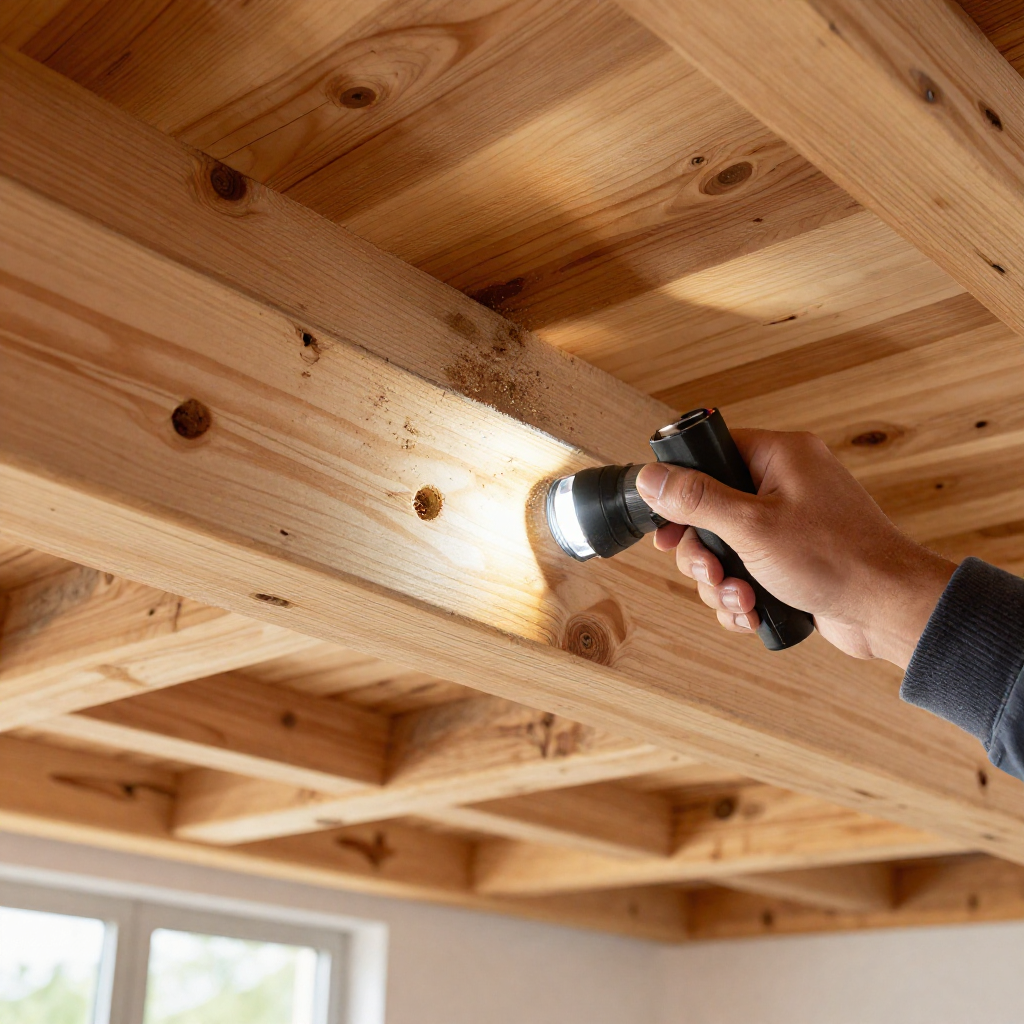
Antique cabinets, vintage dining tables, handcrafted wardrobes, and heirloom chairs add timeless charm to any home. However, older wooden furniture often comes with a hidden risk—woodworm infestation. Many homeowners are surprised to discover tiny holes, powdery dust, or weakened wood in cherished furniture pieces, only to learn that wood-boring beetles have been active for years.
So, why is old furniture particularly attractive to woodworm? The answer lies in the age of the timber, environmental conditions, previous infestations, and the natural characteristics of untreated wood. Understanding these factors can help you protect valuable furniture and prevent costly restoration or replacement.
In this guide, we’ll explain why old furniture is a woodworm magnet, how to identify the warning signs, and the best ways to keep your wooden treasures safe.
What Is Woodworm?
Despite its name, woodworm is not actually a worm. The term refers to the larvae of several species of wood-boring beetles, including the Common Furniture Beetle, Deathwatch Beetle, House Longhorn Beetle, and Powderpost Beetle.
The infestation begins when an adult beetle lays eggs on wooden surfaces or inside tiny cracks. Once the eggs hatch, the larvae burrow deep into the timber, feeding on the wood for several years before emerging as adult beetles through small exit holes.
Most of the damage occurs while the larvae remain hidden inside the wood, making infestations difficult to detect in their early stages.
Why Old Furniture Attracts Woodworm
Older furniture offers ideal conditions for wood-boring beetles to lay eggs and for larvae to thrive. Several factors make antique and vintage pieces especially vulnerable.
1. Untreated Timber
Modern furniture is often manufactured using treated wood that includes preservatives designed to resist insects and fungal decay.
Older furniture, however, was typically made before these treatments became standard. As a result, antique timber is often more susceptible to beetle infestations.
Without protective coatings or insect-resistant treatments, woodworm larvae can penetrate the timber more easily.
2. Natural Aging of Wood
Over time, wood naturally develops:
- Fine cracks
- Shrinkage
- Surface splits
- Open joints
These imperfections provide excellent locations for adult beetles to lay their eggs.
Once the eggs hatch, the larvae can enter the timber unnoticed and begin tunneling through the wood.
3. Previous Infestations
Many antique furniture pieces have already experienced woodworm infestations during their lifetime.
Although an old infestation may no longer be active, existing exit holes and cracks can encourage new beetles to lay fresh eggs in the same piece of furniture.
Unless properly treated, furniture may become reinfested.
4. Softwood Construction
Many traditional furniture pieces were built using softwoods such as pine, spruce, or fir.
Several wood-boring beetle species, particularly the Common Furniture Beetle, prefer these softer timbers because they are easier for larvae to tunnel through.
Hardwoods are generally more resistant, although they are not completely immune.
5. Damp Conditions
Moisture is one of the biggest factors contributing to woodworm infestations.
Older furniture stored in damp environments—such as basements, garages, lofts, or poorly ventilated rooms—is at a much higher risk.
High humidity softens timber and creates favorable conditions for beetle eggs and larvae to survive.
Common Signs of Woodworm in Old Furniture
Regular inspections can help you detect an infestation before serious damage occurs.
Small Exit Holes
Tiny, round holes measuring approximately 1–3 mm in diameter are the most recognizable sign of woodworm.
These holes are created when adult beetles emerge from the timber after completing their life cycle.
Fresh holes often have clean, light-colored edges.
Powdery Dust (Frass)
Woodworm larvae produce a fine powder known as frass as they feed inside the wood.
Fresh frass usually appears:
- Cream-colored
- Dry and powdery
- Similar to fine sawdust
If new frass continues to collect beneath furniture after cleaning, it may indicate an active infestation.
Weak or Fragile Wood
As larvae tunnel through timber, they gradually weaken its internal structure.
Warning signs include:
- Loose joints
- Wobbly legs
- Soft wood
- Crumbling edges
- Sections that break easily
Furniture may appear solid externally while being extensively damaged inside.
Live Beetles
Adult beetles typically emerge during late spring and summer.
Finding small brown beetles near antique furniture or on nearby windowsills may suggest active woodworm.
Which Types of Furniture Are Most Vulnerable?
While any wooden item can become infested, some pieces are more susceptible than others.
These include:
- Antique wardrobes
- Wooden dining tables
- Dressers
- Cabinets
- Bookcases
- Chairs
- Chests of drawers
- Vintage desks
- Sideboards
- Handmade wooden furniture
Furniture that has been stored for many years without regular maintenance is especially vulnerable.
Can Woodworm Spread to Other Furniture?
Yes. Adult beetles emerging from one piece of furniture can lay eggs on nearby wooden items if conditions are suitable.
Although woodworm doesn’t spread as aggressively as termites, an untreated infestation can gradually affect multiple pieces of furniture and even structural timber within a home.Visit online https://www.shashel.eu for more details.
This is why early treatment is so important.
How to Prevent Woodworm in Old Furniture
Fortunately, there are several practical steps you can take to protect valuable furniture.
Keep Furniture Dry
Moisture encourages woodworm development.
Maintain indoor humidity at appropriate levels and avoid storing furniture in damp locations.
Improve Ventilation
Proper airflow helps reduce humidity around wooden furniture.
Lofts, basements, and storage areas should be well ventilated.
Inspect Furniture Regularly
Check antique furniture several times each year for:
- New holes
- Powdery dust
- Weak joints
- Surface damage
Early detection significantly improves treatment success.
Apply Wood Preservatives
Suitable wood preservatives can help protect untreated timber against future infestations.
Always choose products designed specifically for indoor furniture and follow the manufacturer’s instructions.
Clean Furniture Frequently
Dusting and cleaning allow you to notice fresh frass or new exit holes more quickly.
Routine maintenance also helps preserve the furniture’s finish.
How to Treat Woodworm in Furniture
The best treatment depends on the severity of the infestation.
For minor infestations:
- Apply a specialist woodworm treatment to affected areas.
- Monitor the furniture for signs of new activity.
- Keep the furniture in a dry environment.
For severe infestations:
- Consult a timber preservation specialist.
- Replace severely weakened components if necessary.
- Treat surrounding wooden furniture as a precaution.
Professional treatment is often recommended for valuable antiques to preserve their historical and financial value.
When Should You Call a Professional?
Seek professional assistance if:
- Fresh frass continues appearing.
- Multiple furniture pieces show signs of infestation.
- Structural damage is visible.
- Valuable antiques are affected.
- You’re unsure whether the infestation is active.
An experienced timber specialist can identify the beetle species, confirm whether the infestation is ongoing, and recommend the most effective treatment.
Protecting Antique Furniture for the Future
If you own heirloom or collectible furniture, preventive care is essential.
Store valuable pieces in dry, climate-controlled environments whenever possible. Avoid placing furniture directly against damp walls or in areas with poor airflow. Regular inspections, careful cleaning, and prompt treatment of any suspicious signs can greatly extend the life of antique wooden furniture.
By taking these precautions, you not only protect your investment but also preserve the craftsmanship and history of these unique pieces for future generations.
Conclusion
Old furniture is particularly vulnerable to woodworm because of its untreated timber, natural aging, previous infestations, and exposure to moisture. While these factors make antique and vintage pieces attractive to wood-boring beetles, regular inspections and proper maintenance can significantly reduce the risk.
Watch for warning signs such as small exit holes, powdery frass, weakened wood, and live beetles. If you detect an active infestation, prompt treatment is essential to prevent further damage and protect both your furniture and your home.
With the right care and preventive measures, your treasured wooden furniture can remain beautiful, functional, and free from woodworm for many years to come.